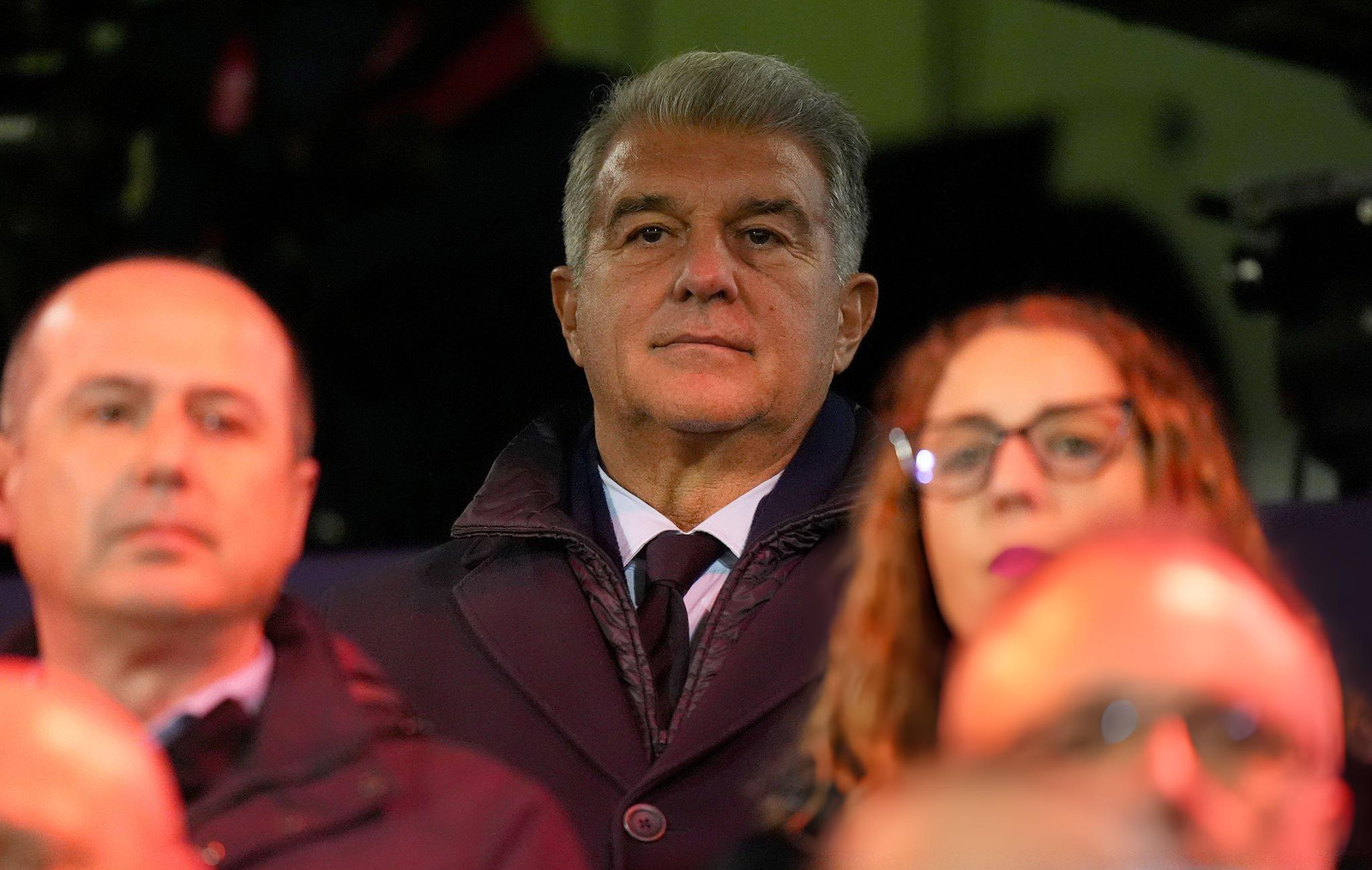
Barcelona president Joan Laporta has fired a fresh volley in the growing off-pitch conflict between Barcelona and Real Madrid, using the club’s traditional Christmas dinner to respond to the increasingly hardline stance taken by Florentino Pérez and Real Madrid in recent months. While the Clásico rivalry has always been emotionally charged, Laporta’s comments show that the relationship between Spain’s two biggest clubs is sliding into a more hostile, political-style confrontation — and the Negreira case sits right at the centre of it.
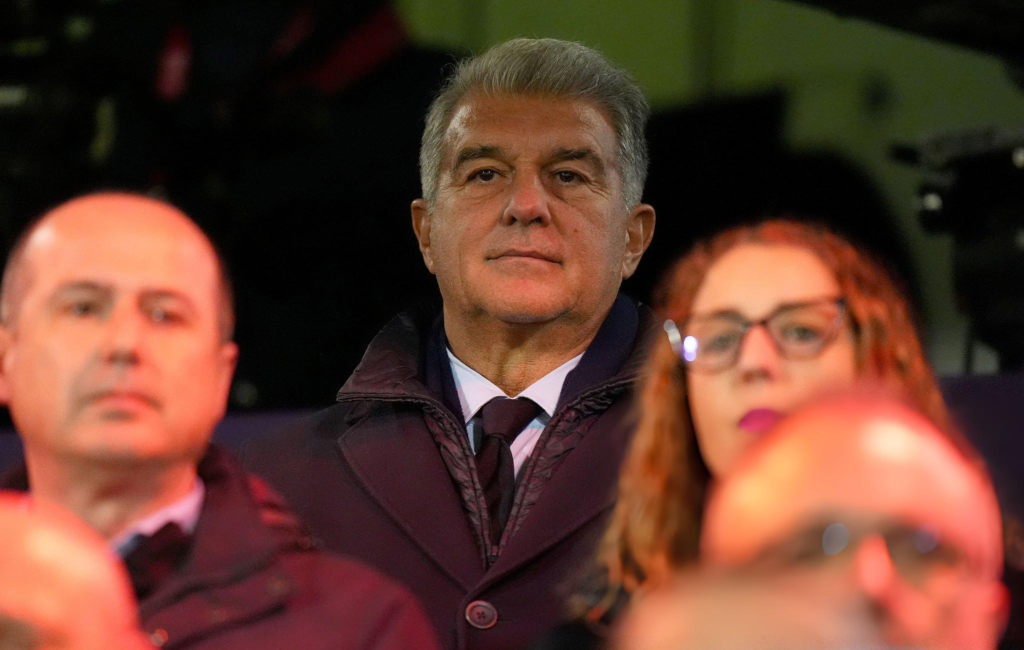
Laporta’s Core Message: “Envy” and a Campaign to Discredit Barcelona
In his speech, Laporta suggested Barcelona’s recent progress has triggered “a lot of envy” elsewhere, and he framed Real Madrid’s reactions as not just competitive but morally unacceptable. He claimed that certain forces are acting in a “despicable” manner, using “underhanded tactics” and abandoning basic ethical standards in an attempt to damage Barcelona’s reputation. Although he avoided naming Real Madrid in his first lines, he made it clear who he was referring to by adding that he “didn’t need to explain” which club he meant.
Laporta’s language wasn’t cautious. It was direct, emotional, and designed to send a signal: Barcelona believe they are being attacked as an institution, not merely questioned about a legal case. He argued that their rivals are “constantly trying to discredit” Barça, targeting the club’s badge, identity, and values. In short, Laporta cast Barcelona as the victim of a calculated narrative war — one aimed at rewriting how the public sees them.
A Warning to Madrid: Barcelona Won’t Stay Silent
Beyond the accusations, Laporta issued what sounded like a clear warning: Barcelona’s board will not sit quietly if these attacks continue. His message was that they will resist what he views as hostile manoeuvres, and he positioned his leadership as ready to defend the club’s integrity publicly and aggressively. That matters because it signals that this is no longer just a legal matter playing out in the background — it’s becoming a continuous public battle between the presidents and their institutions.
Laporta also took time to describe what he considers to be the mentality behind Madrid’s approach. He accused them of confusing power with a kind of “unenlightened despotism,” implying that Real Madrid operate with arrogance and act as if they are above normal standards of fairness. These are heavy words, and they show he believes the dispute has moved beyond simple rivalry into something that threatens the broader culture of Spanish football.
Real Madrid TV and the Referee Debate
One of Laporta’s most striking criticisms was aimed at Real Madrid TV, which he accused of operating a “monstrosity” of a programme that spreads “lies” and “poisons” public opinion. This part of his speech is important because it connects directly to a sensitive issue in Spain: refereeing.
Laporta’s point was not only that Madrid are challenging Barcelona over the Negreira case, but that they are also shaping public pressure through repeated media messaging about referees and decisions. From his perspective, that sort of constant content doesn’t just express opinions — it influences atmosphere, creates suspicion, and puts officials under public scrutiny in a way that harms the sport. In his telling, Madrid are not simply defending “integrity”; they are actively steering the narrative and manipulating perception.
The Negreira Case: The Fuel Behind the Fire
This entire exchange sits on top of the Negreira controversy, which has become the biggest flashpoint between the clubs. Real Madrid — with Pérez leading the messaging — have adopted a tough posture, framing the case as a serious integrity issue and insisting that justice must be pursued fully. Madrid’s position, broadly speaking, is that the scandal has harmed the credibility of competitions and cannot be brushed aside.
Barcelona’s position is the opposite: the club denies that any payments were intended to influence referees or manipulate results, and they insist the situation is being used to attack their name at a time when they are rebuilding strength. That clash creates an unavoidable standoff: Madrid speak like prosecutors, while Barça speak like a club defending itself from a smear campaign.
Laporta’s Defiant Ending: “They Will Not Succeed”
Laporta closed with a confident message to Barcelona’s internal community, saying the club is strong again “on and off the pitch” and that those trying to distort Barcelona’s image “will not succeed.” He even suggested that rivals are attempting to erase Barcelona’s history or claim credit for it, framing the conflict as a struggle over legacy and identity as much as trophies.
Ultimately, this latest outburst shows how the modern Clásico has expanded beyond football. It’s now a contest of credibility, influence, and public opinion — with both sides convinced they are defending the sport, and neither willing to back down.
Leave a Reply